 By Claire Whitaker
Updated November 2026
A dog harness for miniature dachshund owners should do one job well: distribute pressure across the chest and shoulders instead of the neck and spine. This guide walks you through measuring your dachshund, choosing a harness style, and checking the fit so every walk stays comfortable and safe for their long back.
Why Harness Choice Matters for Dachshunds
Miniature dachshunds have long spines and short legs, so pulling on a collar can strain the neck and, in some dogs, aggravate back problems. Owners often report that switching to a well-fitted harness reduces pulling and makes walks calmer. A harness is not a cure for spinal issues, though. If your dog has a history of disc problems, ask your veterinarian which type of harness and walking routine suits them best. A related read: Dog Harness Step Into: How to Fit One in 5 Easy Steps.
Shopping for one? See our guide: Buddy Belts Dog Harness vs Standard Step-In Harness: Which Should You Choose?.
Step 1: Measure Your Dachshund Correctly
Most harness sizing is based on chest girth and neck measurement, not weight. Use a soft tape measure and follow these steps:
- Measure the widest part of the chest, just behind the front legs. Keep the tape snug but not tight.
- Measure the neck where a collar would sit, usually just in front of the shoulders.
- Compare both numbers to the manufacturer’s size chart. Always use the chart from the specific brand you are buying, since sizes vary.
- If your dog falls between two sizes, choose the larger one and adjust the straps.
Step 2: Pick the Right Harness Style
Three styles work well for miniature dachshunds, and the right one depends on how your dog walks: You may also like Harness for a Blind Dog: How to Choose and Fit One Safely (2026).
- Step-in harnesses are quick to put on and suit dogs who dislike having their head pushed through a loop.
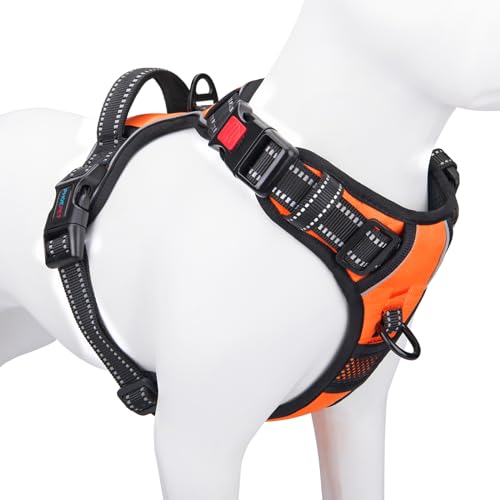
- Vest-style harnesses cover more of the chest and spread pressure widely, which many owners prefer for long-backed breeds.
- No-pull harnesses with a front clip can reduce lunging, but check that the chest strap does not sit too high on the throat.
Avoid thin nylon straps that dig into the armpits. Wide, padded panels are easier on a small body. A related read: Dog Harness Pit Bull: How to Choose and Fit One for Safe Walks.
Step 3: Check the Fit Before Every Walk
A correct fit is the difference between a comfortable harness and one that rubs or slips. Run through this checklist:
- You can slide two fingers flat under every strap.
- The chest plate sits centered on the breastbone and does not ride up toward the neck.
- The harness does not shift when your dachshund sits or turns.
- Straps are not twisted and do not press into the front legs or underarms.
- Your dog walks with a normal gait, without stopping to scratch or pull at the straps.
For step-by-step putting-on instructions, see How to Put Dog Harness on Small Dog: A Step-by-Step Guide for Beginners. If you are unsure which clip position fits your routine, Front-Clip vs Back-Clip Dog Harness: Which One Is Better? compares the two options.
Step 4: Walk Safely and Adjust as Needed
Start with short walks on flat ground. Watch for signs that the harness is wrong: rubbing, limping, reluctance to walk, or repeated attempts to back out of it. Re-measure your dog every few months, since puppies grow quickly and adult weight can change. For a fuller walking routine, Walking Dog with a Harness: Step-by-Step Guide for Safe, Comfortable Walks covers leash handling and pacing. Consult your veterinarian if your dachshund shows any back pain, weakness in the hind legs, or sudden changes in movement.
Common Mistakes to Avoid
- Buying by weight alone instead of chest and neck measurements.
- Leaving a harness too loose, which lets the dog slip out.
- Clipping a leash to the front ring on a harness not designed for it.
- Ignoring red spots or fur loss under the straps.
- Using a harness that is too heavy or stiff for a small dog.
Recommended Gear
A padded vest-style harness in a small size is a practical starting point for most miniature dachshunds. View on Amazon
A soft, lightweight leash with a comfortable handle makes it easier to keep steady pressure off the harness. View on Amazon
A soft tape measure kept near the leash helps you recheck fit each season. View on Amazon
FAQ
Can a miniature dachshund wear a harness every day?
Yes, as long as the fit is correct and the skin stays healthy. Remove the harness at night and check for rubbing during the first few weeks.
Is a harness better than a collar for dachshunds?
Many owners prefer a harness because it spreads pressure away from the neck. Ask your veterinarian if your dog has neck or back concerns.
How do I know if the harness is too tight?
If you cannot fit two fingers under the straps, or your dog pants, resists walking, or has red marks afterward, loosen or resize it. For another angle, check out Dog Friendly Co Harness: How to Choose and Fit One Safely (2026).
Conclusion
Measure your dachshund’s chest and neck, choose a padded style that fits their routine, and check the fit before each walk. A well-fitted dog harness for miniature dachshund owners makes daily walks safer and more comfortable. When in doubt, confirm the choice with your veterinarian.
Related reading
- Rough Wear Dog Harness: How to Pick One That Lasts
- PetSafe Easy Walk No-Pull Dog Harness: Fit and Use Guide (2026)
- Lifting Harness for Dog: 3 Best Options for Senior and Injured Dogs (2026)
Ready to choose one?
About Claire Whitaker
Claire Whitaker is part of our editorial team and reviews and edits our everyday pet gear guides, checking product details against manufacturer specifications and owner feedback.